
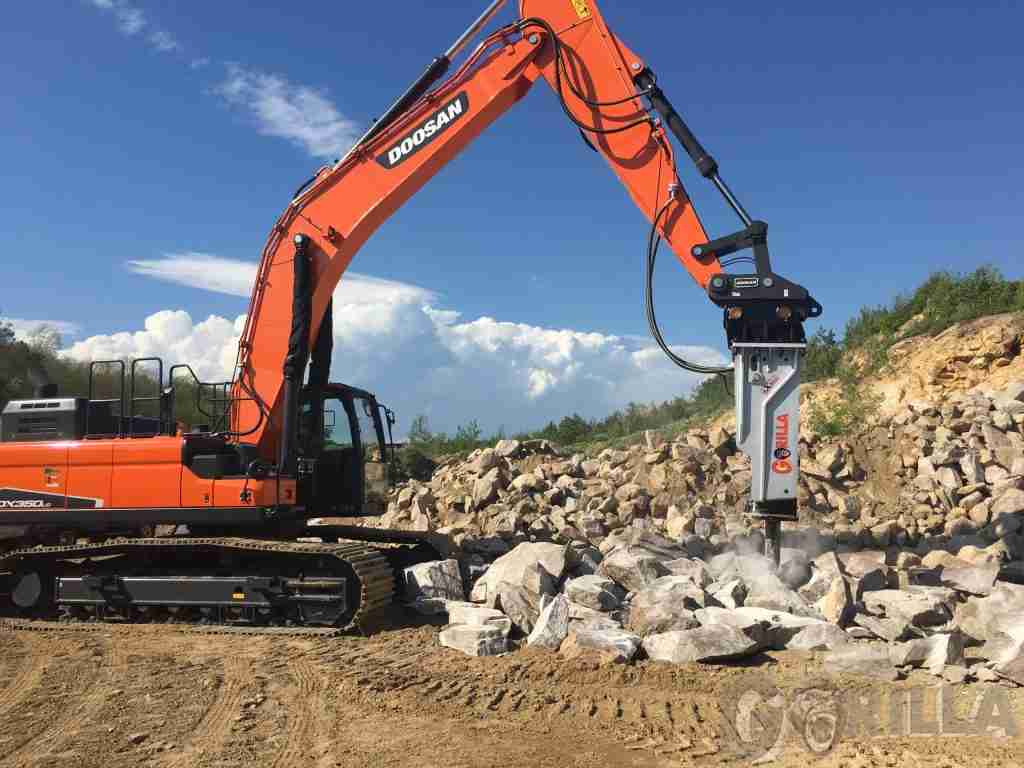
Everything You Need To Know About Hydraulic Breakers
Hydraulic breakers, also known as hydraulic hammers, are essential tools in the construction and demolition industries. These powerful devices use hydraulic power to break through concrete, rock, and other hard materials, making them indispensable for a variety of tasks. This ranges from road construction to mining operations. Hydraulic breakers deliver high-impact force with precision and efficiency by converting hydraulic energy into mechanical energy. This comprehensive guide will delve into the key aspects of hydraulic breakers, providing valuable insights for both novices and seasoned professionals.
How Hydraulic Breakers Work
Hydraulic breakers operate by converting hydraulic energy into mechanical energy to deliver powerful impacts. The core component of a hydraulic breaker is a piston housed within a cylinder. When hydraulic fluid, under high pressure, is directed into the cylinder, it forces the piston to move rapidly. This movement drives a chisel or hammer tool attached to the end of the breaker, generating a powerful impact force. The cycle repeats as the hydraulic fluid is continuously supplied and redirected, allowing the breaker to deliver repeated blows. This mechanism enables the hydraulic breaker to fracture and break through hard materials like concrete, rock, and asphalt efficiently. Advanced hydraulic breakers also incorporate features like energy recovery systems and variable blow rates to enhance performance and efficiency.
When Hydraulic Breakers Are Needed?
Hydraulic breakers are needed in a variety of applications where breaking, demolishing, or fracturing hard materials is required. Common scenarios include:
- Construction projects: For breaking concrete structures, foundations, and pavements during building construction or renovation.
- Demolition work: For tearing down old buildings, bridges, and other structures.
- Mining and quarrying: Break rocks and ore in mining operations or shape and extract stone in quarries.
- Road construction and maintenance: For breaking up asphalt and concrete surfaces during road construction or repairs.
- Utility installation: For trenching and breaking through hard ground when laying pipelines, cables, or other underground utilities.
- Recycling and waste management: To break down large pieces of construction debris or metal scrap for easier handling and recycling.
Best Handling Practices
Proper handling and maintenance of hydraulic breakers are crucial for ensuring their efficiency, safety, and longevity. Here are some best practices for handling hydraulic breakers:
- Ensure the hydraulic breaker is correctly mounted on the carrier machine, with proper alignment and secure connections to the hydraulic system.
- Before use, inspect the breaker for any signs of wear, damage, or leaks. Check hydraulic fluid levels and ensure all bolts and fasteners are tight.
- Allow the breaker to cool down during extended use to prevent overheating. Overheating can lead to premature wear and potential failure.
- Store the hydraulic breaker in a dry, secure location when not in use. Protect it from moisture and Contaminants that could cause rust or other damage.
Trust Gorilla Hammers For All of Your Hydraulic Breaker Needs
Choosing Gorilla Hammers hydraulic breakers ensures you benefit from superior engineering, innovative technology, and exceptional durability. Our breakers are designed to deliver maximum impact force with precision, making them ideal for a wide range of applications, from construction to mining. Gorilla Hammers prioritizes quality and reliability, with each breaker undergoing rigorous testing to meet the highest industry standards. Additionally, our commitment to customer support and comprehensive maintenance services ensures that your investment in Gorilla Hammers hydraulic breakers will provide long-term value. To learn more about how Gorilla Hammers can help you, contact us today at (888) 814 – 6745.